

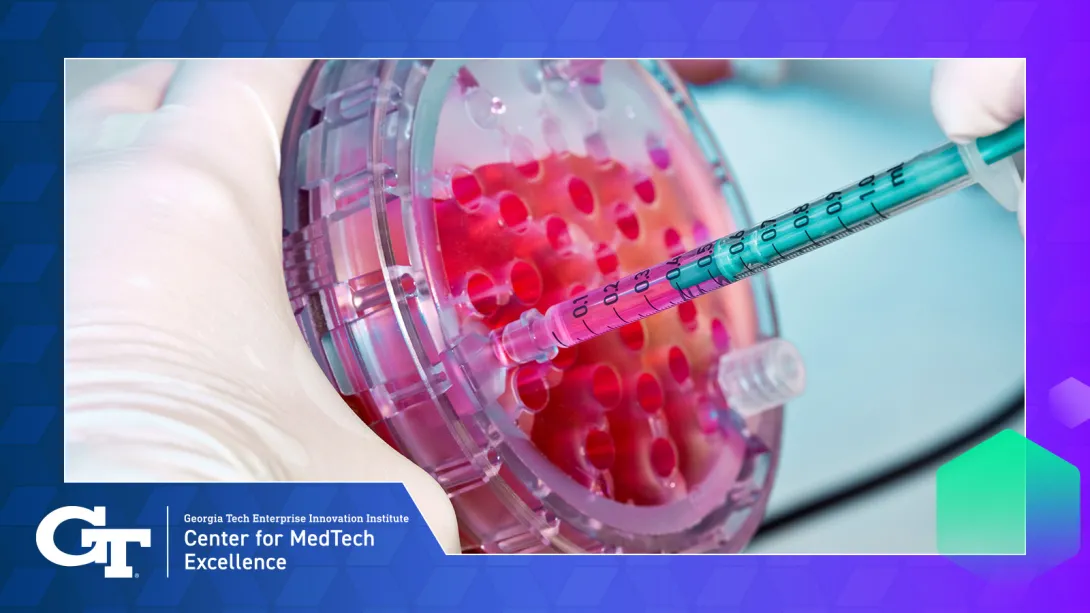

In recent years, there has been a remarkable surge in the development and application of cell and gene therapies, revolutionizing the landscape of medical treatment. While oncology has historically been a primary focus of these innovative therapies, there is a notable shift towards non-oncology indications dominating the near-term pipeline. This trend underscores the expanding potential of cell and gene therapies beyond cancer treatment, offering promising prospects for addressing a wide array of diseases and medical conditions.
1. Introduction to Cell and Gene Therapies
Cell and gene therapies represent groundbreaking approaches to treating diseases at their root cause, offering the potential for long-lasting and even curative outcomes. These therapies involve the manipulation and modification of cells or genetic material to correct or replace defective genes, restore normal cellular function, or enhance the body’s ability to fight disease.
2. Evolution of Cell and Gene Therapies in Oncology
Historically, much of the early success and attention in the field of cell and gene therapy has been focused on oncology. Pioneering treatments such as CAR-T cell therapy have demonstrated remarkable efficacy in certain types of cancer, leading to regulatory approvals and widespread clinical adoption. These therapies harness the power of the immune system to target and destroy cancer cells, offering new hope for patients with previously incurable malignancies.
3. Expansion into Non-Oncology Indications
In recent years, there has been a notable expansion of cell and gene therapy research and development into non-oncology indications. This shift has been driven by several factors, including advances in technology, a deeper understanding of disease mechanisms, and the success of early clinical trials in non-cancerous conditions.
4. Promising Applications in Non-Oncology
The near-term pipeline for non-oncology cell and gene therapies encompasses a diverse range of therapeutic areas, including genetic disorders, autoimmune diseases, neurological disorders, cardiovascular diseases, and rare inherited conditions. Examples of promising therapies in development include:
- Inherited Genetic Disorders: Therapies targeting rare genetic disorders such as Duchenne muscular dystrophy, spinal muscular atrophy, and hemophilia aim to correct the underlying genetic mutations responsible for these conditions.
- Autoimmune Diseases: Cell-based therapies, including regulatory T cells and mesenchymal stem cells, are being investigated for their potential to modulate the immune response and treat autoimmune conditions such as multiple sclerosis, rheumatoid arthritis, and lupus.
- Neurological Disorders: Gene therapy approaches targeting neurological conditions such as Parkinson’s disease, Alzheimer’s disease, and amyotrophic lateral sclerosis (ALS) hold promise for slowing disease progression and improving patient outcomes.
- Cardiovascular Diseases: Gene editing technologies such as CRISPR are being explored for their potential to treat cardiovascular diseases, including inherited cardiomyopathies and hypercholesterolemia.
5. Regulatory and Manufacturing Challenges
While the potential of non-oncology cell and gene therapies is vast, there are significant regulatory and manufacturing challenges that must be overcome to bring these treatments to market. Regulatory agencies such as the FDA and EMA are working to establish clear guidelines for the development and approval of these therapies, ensuring their safety, efficacy, and quality. Additionally, scaling up manufacturing processes to meet the demand for these personalized and complex therapies remains a critical hurdle.
6. Reflections on What’s Next
Looking ahead, the landscape of cell and gene therapy is poised for continued growth and innovation. Advances in gene editing technologies, such as CRISPR-Cas9, are driving the development of more precise and efficient therapies. Furthermore, the emergence of novel delivery systems, such as viral vectors and nanoparticles, is expanding the therapeutic potential of these interventions.
In the near term, we can expect to see an increasing number of non-oncology cell and gene therapies advancing through clinical development and regulatory review. As these therapies continue to demonstrate safety and efficacy in clinical trials, they have the potential to transform the treatment paradigm for a wide range of diseases, offering hope to patients with unmet medical needs.
In conclusion, the predominance of non-oncology cell and gene therapies in the near-term pipeline reflects the growing recognition of the broad therapeutic potential of these innovative treatments. By leveraging advances in science and technology, researchers and clinicians are unlocking new possibilities for addressing diseases beyond cancer, paving the way for a future where personalized, curative therapies are within reach for patients around the world.