

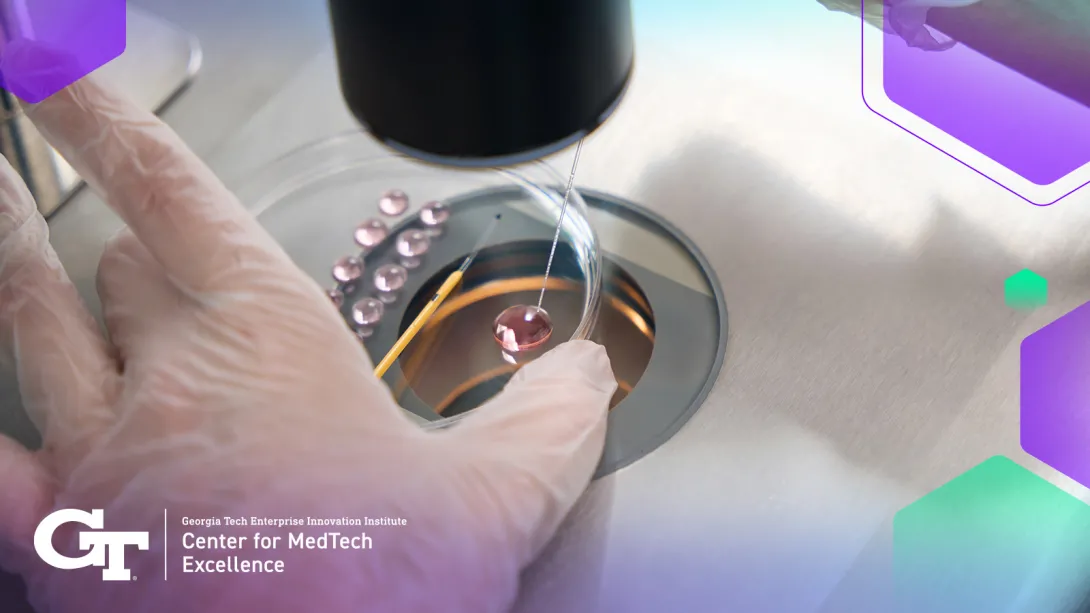

In the realm of modern medicine, cell therapy stands as a beacon of hope, offering innovative solutions for conditions once deemed incurable. Among the diverse array of ailments, it seeks to address, metabolism and endocrinological disorders, encompassing liver disease and type 1 diabetes, have emerged as focal points of research and application. This comprehensive overview delves into the intricate landscape of cell therapy in combating these challenging conditions, exploring the mechanisms, advancements, challenges, and the promising horizons that lie ahead.
Understanding Metabolism and Endocrinological Disorders: Metabolism is the complex network of biochemical processes that sustain life, involving the conversion of nutrients into energy and essential molecules for cellular function. Endocrinological disorders disrupt the delicate balance of hormones, crucial regulators of metabolism, leading to a myriad of health complications. Liver disease encompasses a spectrum of conditions, from fatty liver disease to cirrhosis, while type 1 diabetes results from autoimmune destruction of insulin-producing beta cells in the pancreas.
The Promise of Cell Therapy: Cell therapy offers a paradigm shift in the treatment of metabolism and endocrinological disorders by harnessing the regenerative potential of cells. This approach involves the transplantation or manipulation of cells to restore or enhance physiological function. In liver disease, hepatocyte transplantation holds promise for replacing damaged liver tissue and restoring metabolic function. For type 1 diabetes, pancreatic islet transplantation aims to replenish insulin-secreting cells and regulate blood sugar levels.
Advancements in Cell Therapy: Recent years have witnessed remarkable advancements in cell therapy techniques and technologies. The development of induced pluripotent stem cells (iPSCs) has revolutionized the field, providing a potentially limitless source of patient-specific cells for transplantation. Additionally, genetic engineering tools such as CRISPR-Cas9 offer precise methods for modifying cells to enhance their therapeutic efficacy and evade immune rejection.
Challenges and Considerations: Despite the immense promise of cell therapy, several challenges persist. Immunological rejection remains a significant hurdle, necessitating immunosuppressive regimens that carry risks of their own. Moreover, the scalability and cost-effectiveness of cell manufacturing pose logistical challenges for widespread implementation. Ethical considerations surrounding the use of embryonic stem cells and genetic modification also warrant careful deliberation.
Reflections and Future Directions: Looking ahead, the future of cell therapy in metabolism and endocrinological disorders appears bright yet multifaceted. Research efforts are increasingly focused on refining cell sources, enhancing engraftment and survival, and developing off-the-shelf cell products to overcome logistical barriers. The integration of tissue engineering approaches holds promise for creating functional liver and pancreatic tissue ex vivo for transplantation. Furthermore, the advent of personalized medicine, enabled by advances in genomics and precision medicine, may pave the way for tailored cell therapies tailored to individual patients’ needs.
In conclusion, cell therapy represents a transformative approach in the management of metabolism and endocrinological disorders, offering new avenues of hope for patients facing these challenging conditions. While obstacles remain, the relentless pursuit of scientific innovation and collaboration holds the potential to unlock the full therapeutic potential of cell therapy, ushering in a new era of personalized regenerative medicine.