

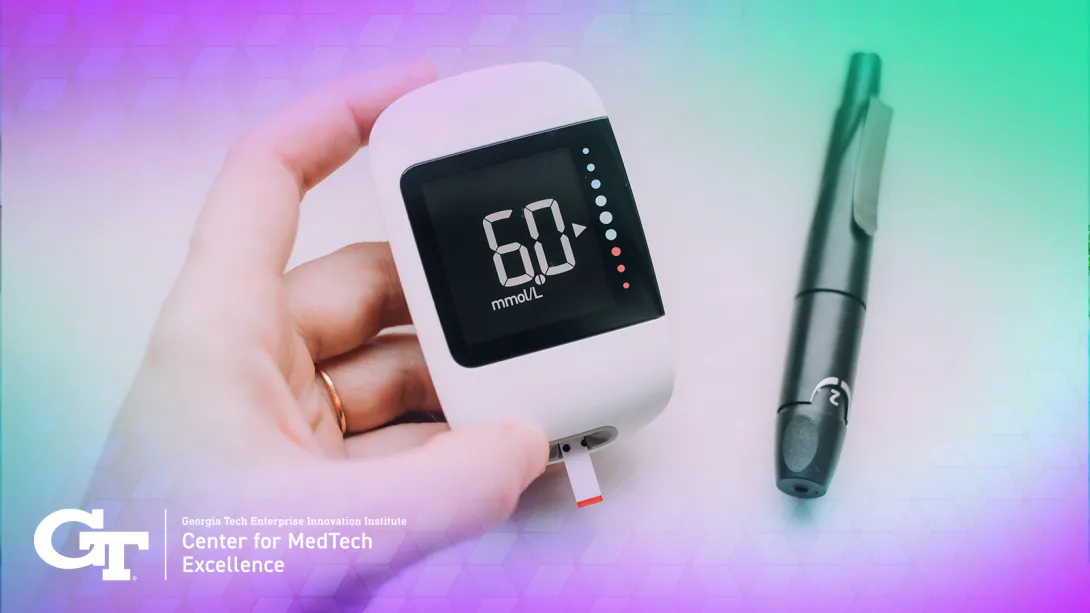

In the landscape of healthcare, a paradigm shift is underway – one that’s transforming the way we approach medical treatment and wellness. This shift is towards bespoke care, a concept that tailors healthcare services and interventions to the unique needs, preferences, and circumstances of each individual patient. This article provides a detailed exploration of this emerging trend, outlining its key components, implications, and potential future directions.
Step 1: Understanding Bespoke Care
At its core, bespoke care revolves around the idea that one size does not fit all in healthcare. Rather than applying standardized treatment protocols to every patient with a given condition, bespoke care recognizes the importance of personalization. This involves taking into account factors such as genetic predispositions, lifestyle choices, environmental influences, and socio-economic background to develop personalized care plans.
Step 2: Technologies Driving Bespoke Care
The rise of advanced technologies is instrumental in enabling bespoke care. From genomic sequencing and biomarker analysis to wearable devices and telemedicine platforms, a plethora of tools and technologies are now available to collect, analyze, and interpret data about individual patients. These technologies empower healthcare providers to gain deeper insights into each patient’s unique health profile and tailor interventions accordingly.
Step 3: Implementation in Clinical Practice
Bespoke care is not just a theoretical concept; it’s a reality being implemented in clinical settings around the world. In oncology, for example, precision medicine approaches are revolutionizing cancer treatment by targeting therapies based on the molecular characteristics of tumors. Similarly, in chronic disease management, remote monitoring and personalized coaching programs are helping patients achieve better outcomes by addressing their specific needs and challenges.
Step 4: Challenges and Considerations
While bespoke care holds great promise, it also presents challenges that must be addressed. One such challenge is the need for robust data privacy and security measures to protect sensitive health information. Additionally, there are concerns about equitable access to personalized healthcare services, particularly among underserved populations. Overcoming these challenges will require collaboration among stakeholders, including policymakers, healthcare providers, technology developers, and patient advocacy groups.
Step 5: Reflections and Future Directions
As we venture further into the era of bespoke care, several questions and considerations arise. How can we ensure that personalized healthcare remains accessible and affordable for all? What role will artificial intelligence and machine learning play in refining and optimizing personalized interventions? How can we strike the right balance between autonomy and guidance in decision-making processes? These are complex issues that will require ongoing dialogue, innovation, and collaboration to address.
What’s Next?
Looking ahead, the future of bespoke care is filled with both challenges and opportunities. On one hand, advances in technology and data science will continue to push the boundaries of personalized medicine, offering new insights and treatment options for patients. On the other hand, ensuring ethical and equitable implementation of these technologies will be paramount to realizing the full potential of bespoke care. By fostering interdisciplinary collaboration, investing in research and development, and prioritizing patient-centered approaches, we can navigate the complexities of this evolving landscape and usher in a new era of healthcare that is truly tailored to the needs of each individual.