

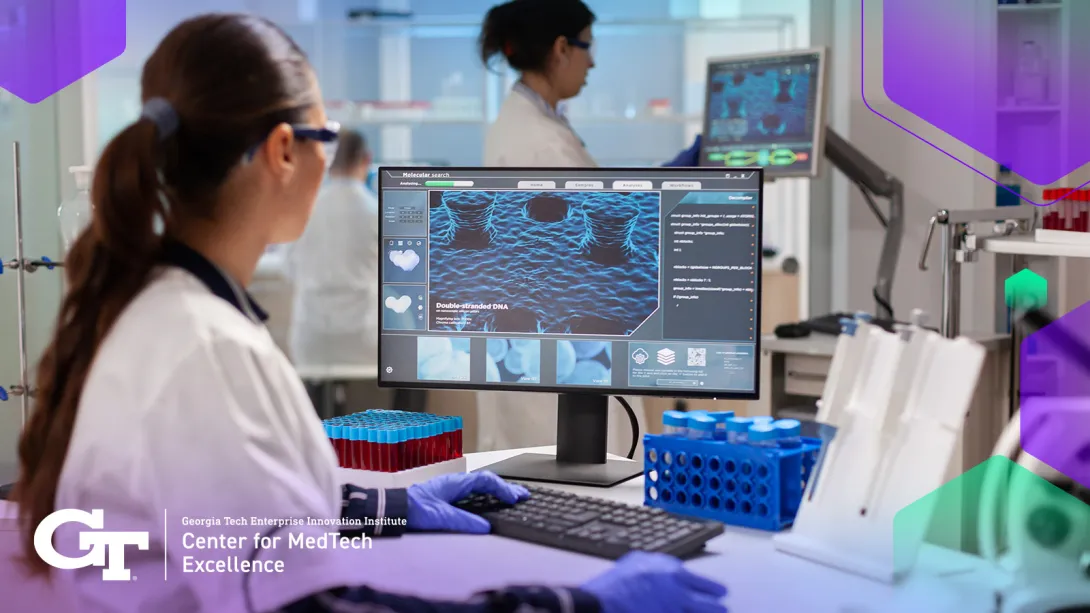

Cancer is a pervasive and life-threatening disease that affects millions of people worldwide. Detecting cancer in its early stages significantly improves patient outcomes, making early detection technologies a critical area of focus in the medical field. As advancements in technology and research continue, the market for early cancer detection is expanding at a rapid pace, offering hope for improved survival rates and better quality of life for patients. In this comprehensive overview, we will delve into the key factors driving this expansion, the current state of early cancer detection technologies, and reflections on what lies ahead.
1. Factors Driving the Expansion of the Early Cancer Detection Market:
- Increasing Incidence of Cancer: The global burden of cancer continues to rise due to factors such as aging populations, lifestyle changes, and environmental factors. This trend underscores the urgent need for effective early detection methods.
- Advancements in Technology: Breakthroughs in genomics, proteomics, imaging techniques, and artificial intelligence have revolutionized cancer detection methods. These technologies enable the detection of cancer at molecular and cellular levels, enhancing accuracy and sensitivity.
- Rising Demand for Non-Invasive Screening: Patients and healthcare providers are increasingly seeking non-invasive and convenient screening methods. Technologies such as liquid biopsy, which analyze biomarkers in bodily fluids, offer a less invasive alternative to traditional tissue biopsies.
- Government Initiatives and Funding: Governments and healthcare organizations worldwide are investing in cancer research and early detection programs. Initiatives aimed at raising awareness, improving screening infrastructure, and subsidizing screening costs contribute to market growth.
- Shift Toward Personalized Medicine: The advent of personalized medicine allows for tailored cancer screening based on an individual’s genetic predispositions and risk factors. This personalized approach enhances the effectiveness of early detection strategies.
2. Current State of Early Cancer Detection Technologies:
- Genomic Screening: Next-generation sequencing (NGS) technologies enable the comprehensive analysis of an individual’s DNA, identifying genetic mutations associated with cancer predisposition. Companies like Illumina and Foundation Medicine offer genomic profiling services for cancer risk assessment.
- Liquid Biopsy: Liquid biopsy involves the analysis of circulating tumor cells (CTCs) and cell-free DNA (cfDNA) shed by tumors into bodily fluids such as blood or urine. Companies like Guardant Health and GRAIL are pioneering liquid biopsy technologies for early cancer detection and monitoring treatment response.
- Imaging Modalities: Advancements in imaging modalities such as MRI, CT scans, and PET scans allow for the visualization of tumors with greater precision and sensitivity. Additionally, novel imaging probes and contrast agents enhance the detection of early-stage tumors.
- Artificial Intelligence (AI) Algorithms: AI-powered algorithms are increasingly utilized to analyze complex datasets generated by various screening modalities. These algorithms improve the accuracy of cancer detection, reduce false positives, and assist healthcare providers in making informed decisions.
- Point-of-Care Testing: Emerging point-of-care testing platforms enable rapid and cost-effective cancer screening in primary care settings or community clinics. These portable devices facilitate early detection in underserved populations and remote regions.
3. Reflections on What’s Next:
- Integration of Multi-Omics Approaches: Future advancements in early cancer detection will likely involve the integration of multi-omics approaches, combining genomic, proteomic, metabolomic, and epigenomic data for comprehensive profiling of cancer biomarkers.
- Enhanced Accessibility and Affordability: Efforts to enhance the accessibility and affordability of early cancer detection technologies will drive market expansion. Innovations in healthcare delivery models, reimbursement policies, and technology scaling will make screening more accessible to a broader population.
- Focus on Early Intervention and Prevention: Beyond detection, there will be a growing emphasis on early intervention and prevention strategies to mitigate cancer risk and improve patient outcomes. This includes lifestyle interventions, targeted therapies, and precision prevention based on individual risk profiles.
- Collaborative Research and Clinical Trials: Collaborative research initiatives and clinical trials will play a crucial role in advancing early cancer detection technologies. Cross-disciplinary partnerships between academia, industry, and government organizations will drive innovation and accelerate the translation of research findings into clinical practice.
- Ethical and Regulatory Considerations: As early cancer detection technologies continue to evolve, ethical and regulatory considerations surrounding data privacy, informed consent, and equitable access must be addressed. Striking a balance between innovation and ethical safeguards is essential to foster public trust and ensure responsible deployment of these technologies.
In conclusion, the expanding market for early cancer detection holds immense promise for improving patient outcomes and reducing the global burden of cancer. With continued innovation, collaboration, and a focus on accessibility and ethics, we can harness the full potential of these technologies to save lives and transform cancer care in the years to come.